Submit a request
Submit a request
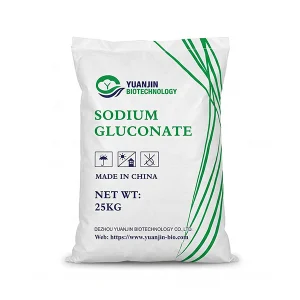
Sodium gluconate (sodium gluconate, sodium salt of D-gluconic acid) is the sodium salt of gluconic acid, a white, odorless crystalline powder. The product is obtained by fermenting glucose followed by neutralization of gluconic acid with sodium hydroxide.
Excellent complexing ability – forms stable chelates with calcium, iron, copper, aluminum, and other heavy metal ions.
Highly effective in alkaline environments – outperforms agents such as EDTA and NTA in strongly alkaline solutions.
Biodegradability – readily biodegradable (98% in 2 days), creating no problems with wastewater treatment.
Non-toxicity – safe for humans and the environment.
Specifications
| parameters | Meaning/Characteristic |
| Appearance | White crystalline powder |
| Content of the main substance | ≥ 98,5%-99,0% |
| pH (1% or 10% aqueous solution) | 6.5-8.5 (neutral or slightly alkaline environment) |
Note: For pharmaceutical purposes (parenteral drugs), higher requirements are imposed on purity, endotoxin and metal content.
Sodium gluconate is a multifunctional product with a wide range of applications due to its unique properties: chelation, dispersion, setting retardation, and corrosion inhibition.
In the production of concrete and building materials.
Sodium gluconate is widely used as a multifunctional additive in concrete and building mixtures:
— Retarder: This is one of its main applications. Sodium gluconate effectively slows the setting of cement, which is especially important when transporting concrete over long distances, in hot weather, or when laying massive structures. Its mechanism of action is based on adsorption on the surface of cement particles, forming an impermeable layer of calcium gluconate, which slows hydration.
— Strength increase: Studies show that the optimal dosage of sodium gluconate (approximately 0.03% of the cement weight) increases concrete strength at 3 and 28 days by approximately 10% and 6%, respectively. Using the admixture contributes to the production of concrete with increased strength after 28 days.
— Compatibility with superplasticizers: Sodium gluconate combines well with other admixtures, such as polycarboxylate- or naphthalenesulfonate-based superplasticizers, effectively slowing the loss of slump (slump) of concrete mixes over time.
— Oil production: Used in well cementing to secure casing strings, protect against corrosion, and reduce fluid loss through permeable layers.
In other industries:
Industrial detergents — Chelating agent in alkaline cleaning solutions for binding Ca²⁺, Mg²⁺, and Fe³⁺ ions. Particularly effective in combination with surfactants, silicates, and phosphates.
Metallurgy and metalworking — Corrosion inhibitor for ferrous metals (cast iron, steel) in alkaline environments. Steel pickling — prevents the deposition of metal salts on the surface. Aluminum production — prevents aluminum hydroxide deposits.
Food industry — Food additive E576: complexing agent, flavor enhancer, and bitterness masker. Approved in all food products based on the “quantum satis” principle (as much as necessary).
Pharmaceuticals and cosmetics — Stabilizer in medicinal formulas, improves the solubility and bioavailability of active ingredients. In parenteral preparations — as an electrolyte (source of Na⁺ ions) and buffering agent (maintaining a pH of 6-8). In cosmetics, it’s used as a humectant.
Other uses include textiles (dyeing and printing), glass bottle cleaning, water treatment, and oil well cement production.
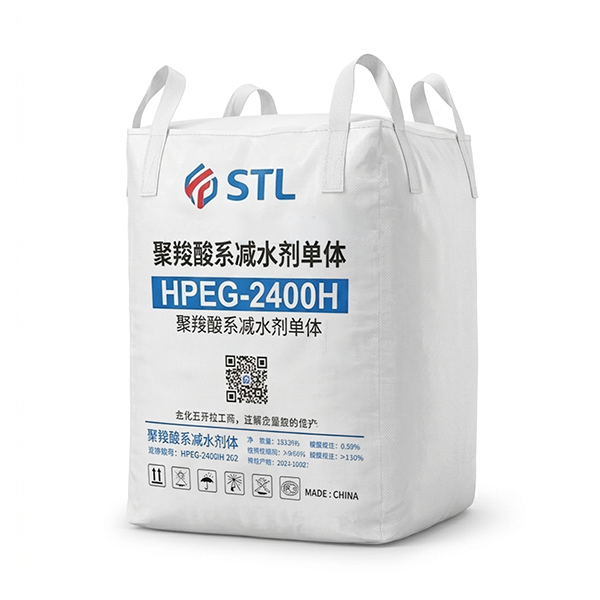
HPEG-2400
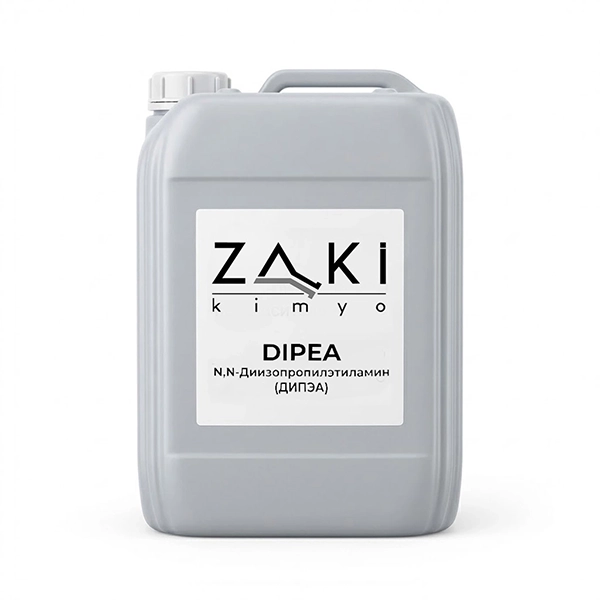
DIPEA - Diisopropylethylamine (DIPEA)
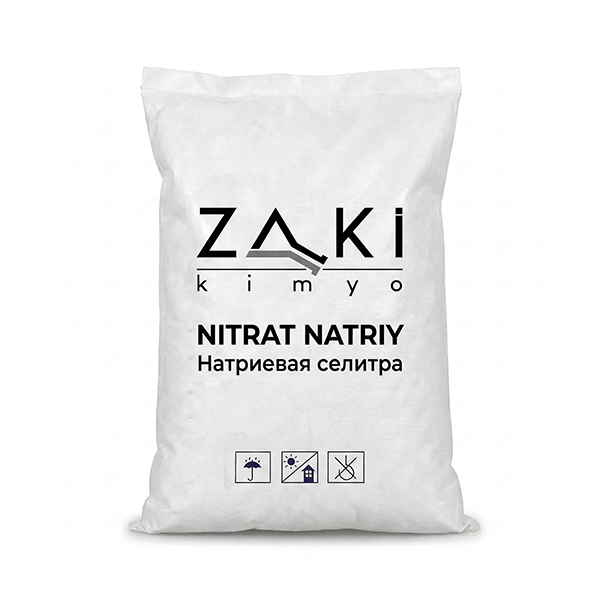
Sodium nitrate
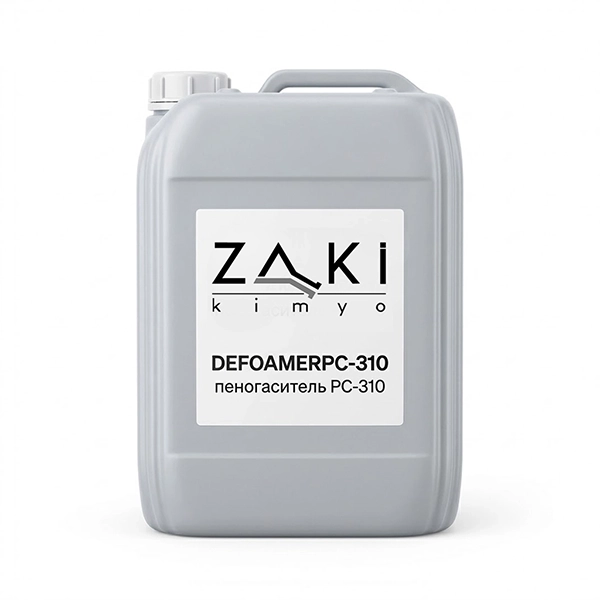
DEFOAMER PC-310 - defoamer PC-310