Submit a request
Submit a request
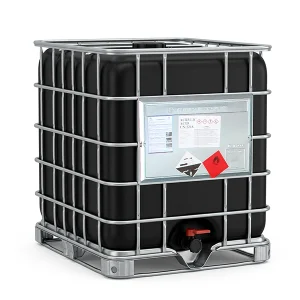
Acrylic Acid (AA)
CAS: 79-10-7
EINECS: 201-177-9
MF: C3H4O2
Acrylic acid belongs to the class of unsaturated carboxylic acids. The key feature of the molecule is the simultaneous presence of a carboxyl group (–COOH) and a double bond (C=C). This combination provides high reactivity and makes it a valuable raw material for polymer chemistry.
Physical form: Liquid
Color: Colorless
Flash point: 54°C (closed crucible)
Melting point: 14°C
Boiling point: 141°C
Solubility in water: Miscible
in ISO 23MT drums or 200 kg per drum
| Analytical element | Standard | Specification |
| Analysis | Gas chromatography | Min. 99.5% |
| Water content | ASTM E 203 | Max. 0.2% |
| Color when shipped | APHA, ASTM D 1209 |
|
Transportation
Regulated as a hazardous material for transportation. (TDG; IMDG CODE)
UN: 2218.
UN Hazard Class: 8.
UN Subsidiary Risks: 3.
Shipping Name: ACRYLIC ACID, STABILIZED.
Acrylic acid (CH₂=CH–COOH) is a highly reactive monomer used in the production of polycarboxylate superplasticizers, acrylates, and other polymeric materials. Its key characteristic is its tendency to spontaneous exothermic polymerization when storage conditions are not met.
Uncontrolled polymerization can lead to:
a sharp increase in temperature and pressure inside the tank;
clogging of pipelines and pumping equipment;
product out-of-specification (loss of purity, color change);
emergency situations, including tank rupture and fire.
Therefore, we pay special attention to compliance with storage regulations and are ready to share this expertise with our clients.
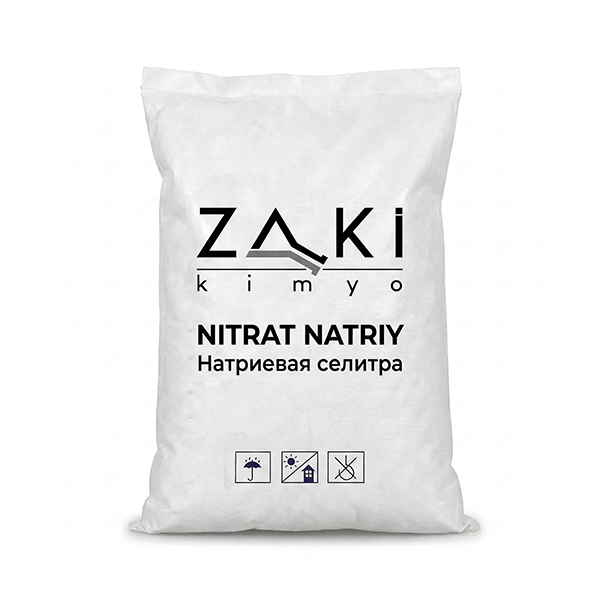
Sodium nitrate
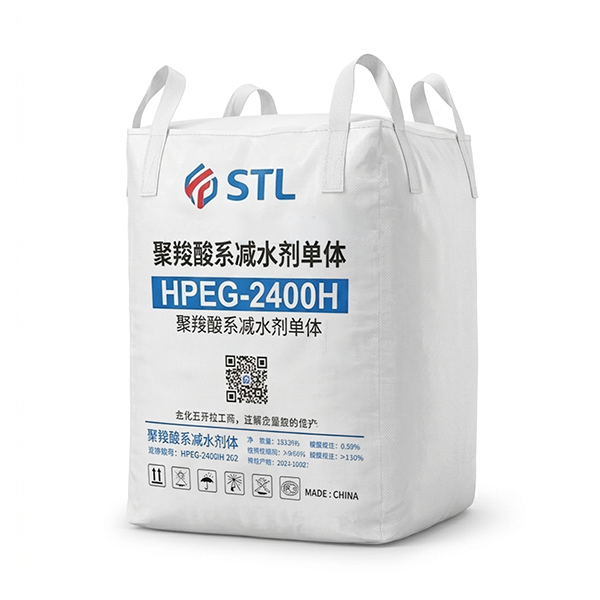
HPEG-2400
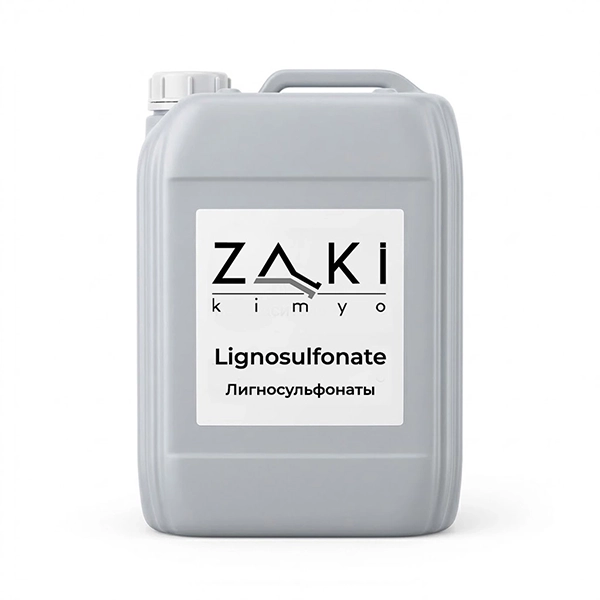
Lignosulfonates
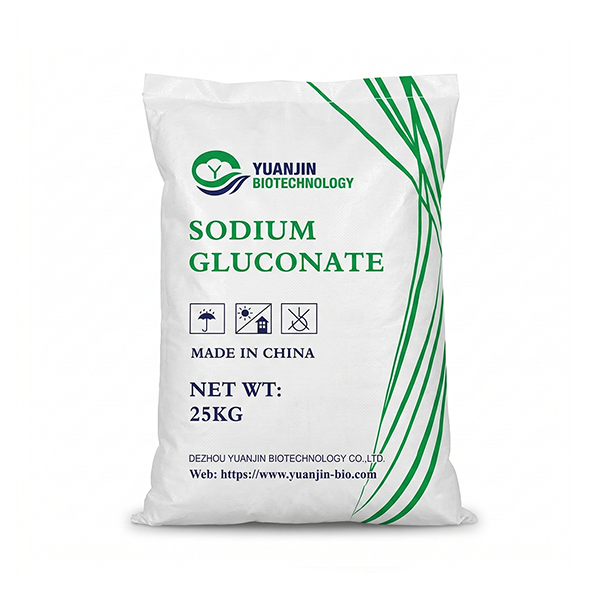
Sodium gluconate